As smartphones continue to dominate our daily lives, the integration of mobile devices into car systems has been a game-changer. Android Auto and Apple CarPlay, two of the leading platforms for connecting smartphones to in-car infotainment systems, have made it easier than ever to access navigation, music, and other apps directly through the car’s dashboard.
However, a noticeable shift is underway in the automotive industry, with some manufacturers moving away from supporting these platforms. Instead, they are opting for proprietary systems or enhanced built-in alternatives.
Why Are Automakers Moving Away from Android Auto and Apple CarPlay?

There are several factors driving car manufacturers to distance themselves from Android Auto and Apple CarPlay. While the transition is still in its early stages, here are some of the primary reasons:
- Data Control: Android Auto and Apple CarPlay route data through your smartphone, meaning that Google and Apple are collecting a significant amount of data on your driving habits, app usage, and location. Car manufacturers, on the other hand, can retain more control over user data by developing their own systems. This allows automakers to capture more granular data on how customers use in-car features, providing valuable insights for future development.
- Customization and Integration: Having a custom-built system allows automakers to more closely integrate the car’s infotainment system with other in-car features like navigation, climate control, and digital displays. This seamless integration is often more difficult to achieve with third-party platforms like Android Auto and CarPlay, which are designed to work with multiple car brands rather than being tailored for a specific model.
- Monetization Through Subscriptions: Many car manufacturers are looking for new revenue streams, and subscription-based services have become a key focus. By developing their own systems, carmakers can offer features like advanced driver assistance, entertainment services, and even cloud-based updates on a subscription basis, without having to share any of the profits with Google or Apple.
Some cars have never supported Android Auto or Apple CarPlay
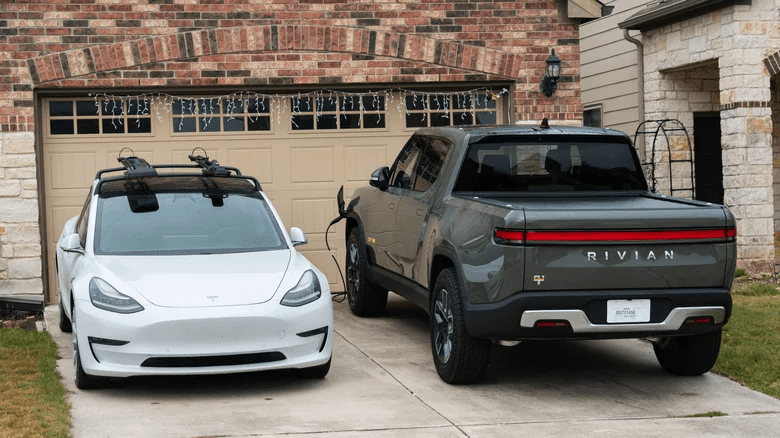
Tesla and Rivian: Pioneers in the Custom System Approach
Electric vehicle manufacturers such as Tesla and Rivian have long shied away from supporting Android Auto and Apple CarPlay. Tesla, for instance, has built a completely in-house system for its vehicles that integrates tightly with its other features, including autopilot, battery management, and vehicle controls. Rivian, too, has chosen not to support either Android Auto or CarPlay, keeping its systems proprietary.
Interestingly, Tesla has recently changed its stance on Apple CarPlay. Starting in November 2025, the company announced plans to integrate support for CarPlay in its vehicles. This marks a significant shift for Tesla, which had previously focused exclusively on its own system, and may suggest that even the most tech-savvy brands recognize the demand for Apple’s platform.
The Consumer Perspective: What Does This Mean for Drivers?

For many consumers, Android Auto and Apple CarPlay have become essential features in their vehicles. These platforms provide quick and easy access to navigation, music, and hands-free calling, making them indispensable for many drivers. Losing this functionality could be frustrating, especially for those who have become accustomed to the convenience they offer.
However, the move toward proprietary systems isn’t all negative. Car manufacturers argue that custom systems provide better integration and improved functionality, including the potential for more advanced features that work specifically for the car’s model and brand. For instance, automakers can provide enhanced displays that show not only infotainment but also critical driving information like speed, fuel efficiency, and safety warnings.
While some may resist the change, it’s important to note that aftermarket solutions do exist. Drivers whose cars lack Android Auto or CarPlay can still buy third-party devices that provide these capabilities, at least for now.
Will Android Auto and Apple CarPlay Disappear?

Although several car manufacturers are shifting toward custom solutions, it’s unlikely that Android Auto and Apple CarPlay will completely disappear in the near future. Many drivers are invested in the user experience these platforms offer, and the convenience of connecting a smartphone to the car’s system remains a top priority for many consumers.
In fact, carmakers may find a middle ground by offering their own systems while still supporting Android Auto and CarPlay for those who prefer it. Whether these platforms will continue to coexist with proprietary systems, or whether car manufacturers will gradually phase them out, remains to be seen.
FAQs
Q: Which car brands are moving away from Android Auto and Apple CarPlay?
A: Some of the major automakers that have moved away from Android Auto and CarPlay include General Motors (GM), Tesla, and Rivian. GM, for instance, is replacing these platforms with its own Gemini-based AI system.
Q: Why do car manufacturers want to control their own infotainment systems?
A: Automakers are looking to gain more control over user data, enhance brand-specific integrations, and create new revenue streams through subscriptions and services tied to their proprietary systems.
Q: Will Android Auto and CarPlay ever disappear from cars?
A: While some brands are opting for custom systems, Android Auto and Apple CarPlay remain popular among consumers. It’s likely that they will continue to be offered, even if automakers also offer proprietary alternatives.
Q: Can I still use Android Auto or CarPlay in a car that doesn’t support it?
A: Yes, aftermarket solutions like third-party adapters or head units can be installed in cars that do not come with built-in Android Auto or CarPlay support.
Q: Are Tesla and Rivian the only companies avoiding Android Auto and CarPlay?
A: No, while Tesla and Rivian are the most well-known examples, other brands are also beginning to explore alternatives, especially in the electric vehicle market.