Global stock markets surged into 2026 riding high on artificial intelligence (AI) optimism, with major tech firms pushing indexes to record levels. But behind the bullish headlines, analysts and investors are increasingly worried about an underappreciated threat: a resurgence in inflation, largely fuelled by the very AI boom that’s been powering the rally.
AI Euphoria Lifts Markets—But at What Cost?
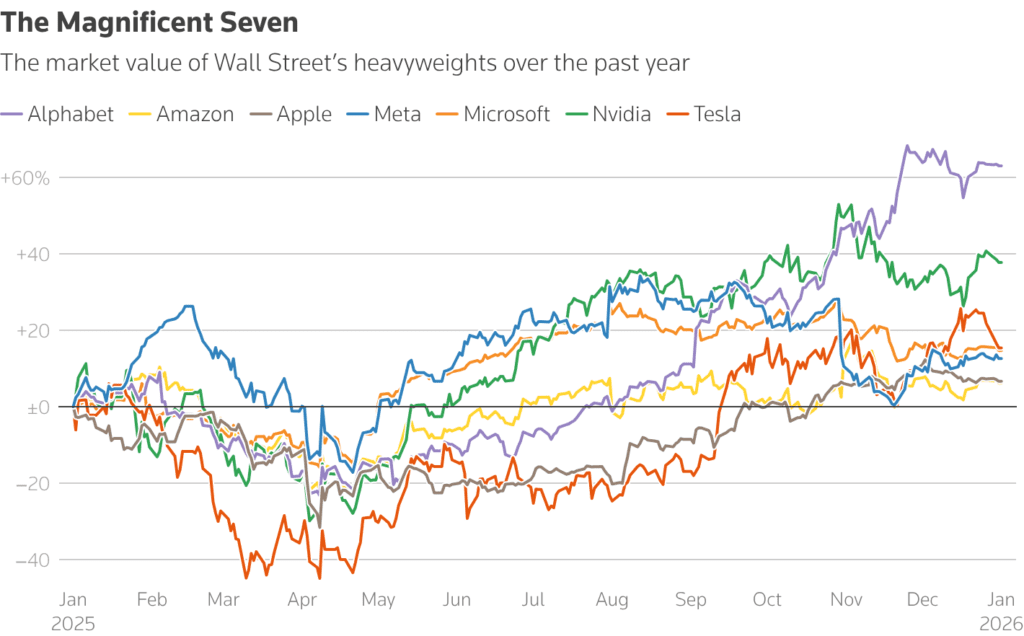
In 2025, U.S. stock indexes posted double-digit gains, largely thanks to massive profits from seven tech giants. Their growth, alongside expectations of monetary easing, also sent European and Asian markets soaring. Bond investors enjoyed the best returns in five years, as inflation showed signs of retreating—though it still hovered above the U.S. Federal Reserve’s 2% target.

Now in 2026, government stimulus across the U.S., Europe, and Japan—combined with the accelerating AI race—is expected to fuel a new phase of global growth. But many analysts warn that this combination of cheap money and high-tech spending could reignite inflation, forcing central banks to halt or even reverse rate cuts, which would pose a serious risk to overheated equity markets.
Big Tech’s Boom May Be Unsustainable
Trevor Greetham, head of multi-asset at Royal London Asset Management, said tighter monetary policy is likely to be the “pin that pricks the bubble.” While he’s still holding tech stocks, Greetham cautioned that an inflation shock driven by aggressive AI-related spending could undermine global markets before 2026 ends.
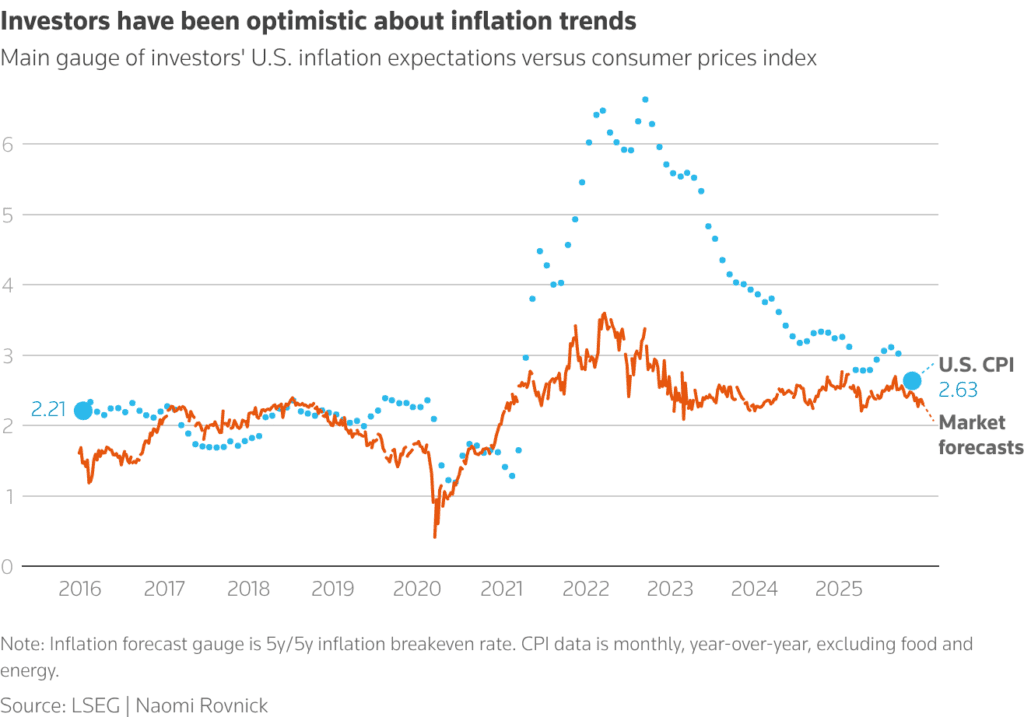
“The AI boom has added real pressure on energy, chip costs, and capital investment,” said Morgan Stanley strategist Andrew Sheets, noting that inflation in key inputs like semiconductors and power is showing no signs of slowing. Sheets expects U.S. inflation to stay above the Fed’s 2% target through at least 2027, due in part to corporate AI investment.
Data Centres, Chips, and Energy Drive Price Pressures

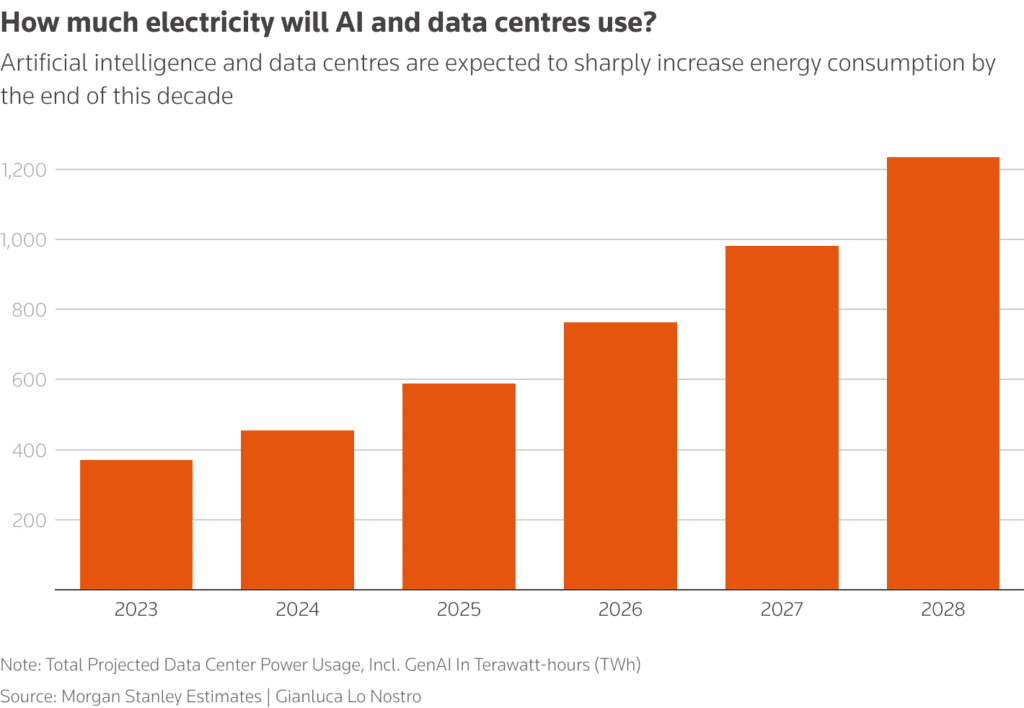
Hyperscalers like Microsoft, Meta, and Alphabet are building AI-ready data centres at breakneck speed, pushing global capital expenditure to historic levels. Deutsche Bank estimates that data centre-related AI spending could hit $4 trillion by 2030.
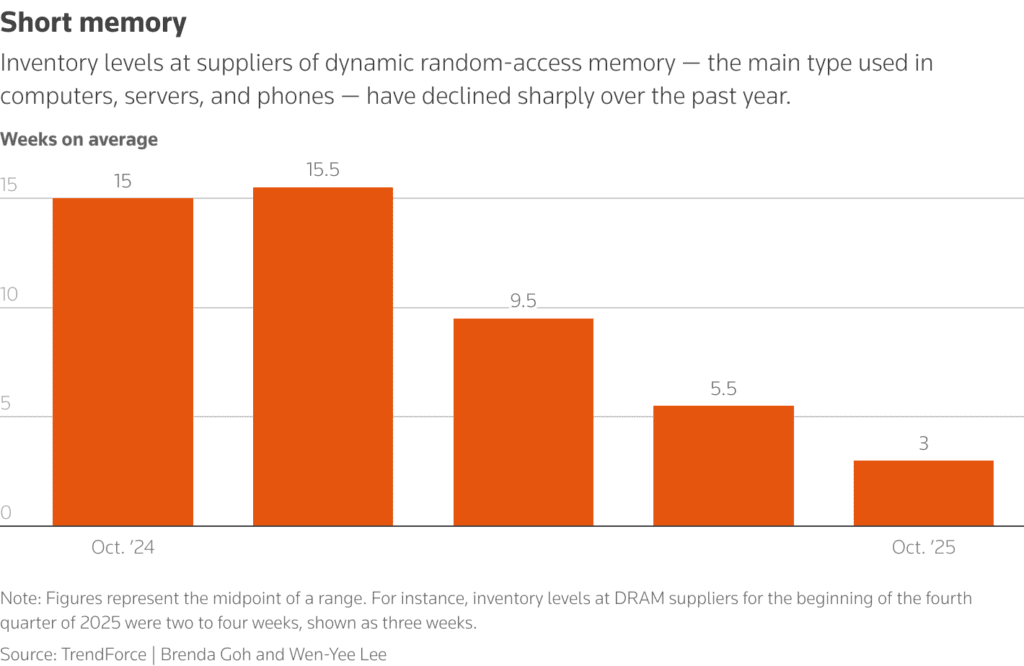
These projects are consuming vast amounts of power and advanced chips, creating supply chain pressure and increasing costs. This is already squeezing profit margins in companies like Broadcom and HP Inc, both of which recently warned about the impact of memory chip price spikes and soaring capital outlays.
Meanwhile, Oracle’s shares fell sharply last month after it reported an unexpected jump in spending, rattling investor confidence.
Central Banks May Shift Gears

While rate cuts were a key theme in 2025, the tone may be changing in 2026. Asset managers like Aviva Investors and Mercer have flagged central banks’ possible end to rate-cutting cycles as a top market risk. The resurgence of inflation—if sustained—could even prompt new rate hikes, catching markets off guard.
Julius Bendikas of Mercer, which advises on $16.2 trillion in institutional assets, said inflation risk is “keeping us awake at night.” While he’s not forecasting a full market correction yet, he’s reducing exposure to debt markets, anticipating potential volatility.
Are AI Valuations at Risk?
As inflation fears mount, some investors are shifting into inflation-protected assets, like U.S. Treasury Inflation-Protected Securities (TIPS). Kevin Thozet, portfolio manager at Carmignac, warned that high-flying AI stock valuations could be hit hard if interest rate expectations shift. “The market has underpriced the inflation risk,” he said.
If central banks hike rates, borrowing costs for AI projects will rise, while profit margins shrink and investor enthusiasm cools. That could trigger a rotation out of speculative tech stocks and into more defensive assets.
AI Bubble or Smart Bet?
The long-term potential of AI remains immense, but short-term growing pains—including rising costs, supply bottlenecks, and overheating—are prompting a rethink.
George Chen, a former Meta executive and now partner at consultancy Asia Group, said that inflation linked to AI hardware and energy costs will likely dampen returns for investors. “As chip prices rise, investor enthusiasm will naturally cool. The money flow into AI may start to dry up,” he warned.
In Summary:
| Key Concern | Impact on Markets |
|---|---|
| AI-related inflation | Could trigger rate hikes, slowing growth |
| Rising chip and energy costs | Squeezes tech profit margins |
| End of rate-cut cycles | Reduces appeal of risk assets like tech |
| Overinvestment in AI | Increases risk of a tech correction |
| Slower-than-expected returns | May lower AI stock valuations |
FAQ
Q. Why is the AI boom causing inflation fears?
Rapid AI-related spending on data centres, chips, and energy is pushing up costs across supply chains, leading to inflation pressures.
Q. How could this affect central bank policy?
If inflation rises above target, central banks like the Fed may stop cutting rates—or even hike again—tightening financial conditions.
Q. What does this mean for tech stocks?
Higher interest rates reduce future profit expectations, making speculative, high-growth tech stocks less attractive.
Q. Which companies are most affected?
Hyperscalers like Microsoft, Meta, and Alphabet, and chip makers like Nvidia and Broadcom face rising costs and potential margin pressure.
Q. Are investors reacting already?
Yes. Some are shifting to inflation-protected assets and trimming exposure to debt and overvalued tech stocks.